MARKUS JÄNTTI Once upon a time



16 January 2026 – 18 April 2026
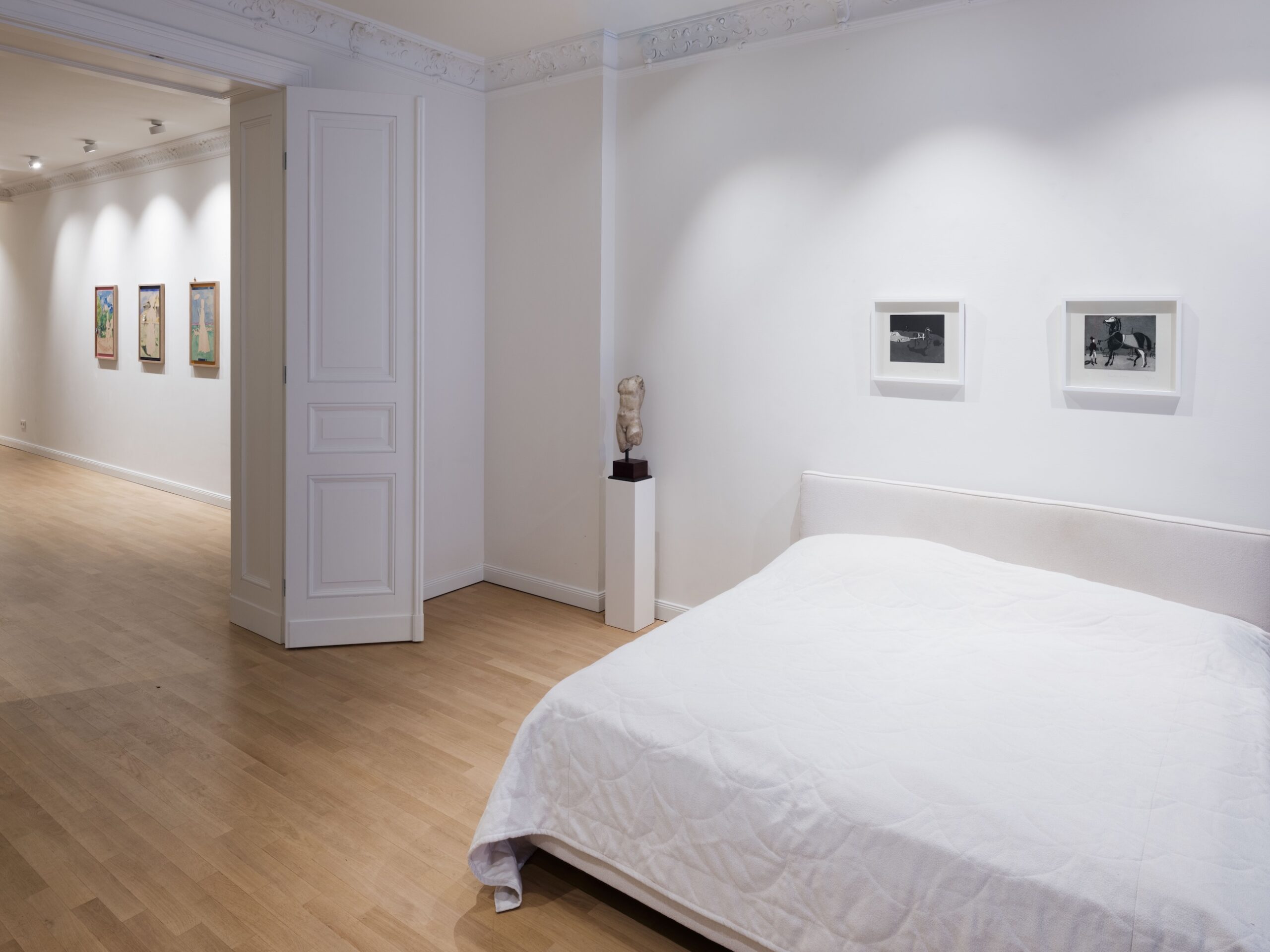
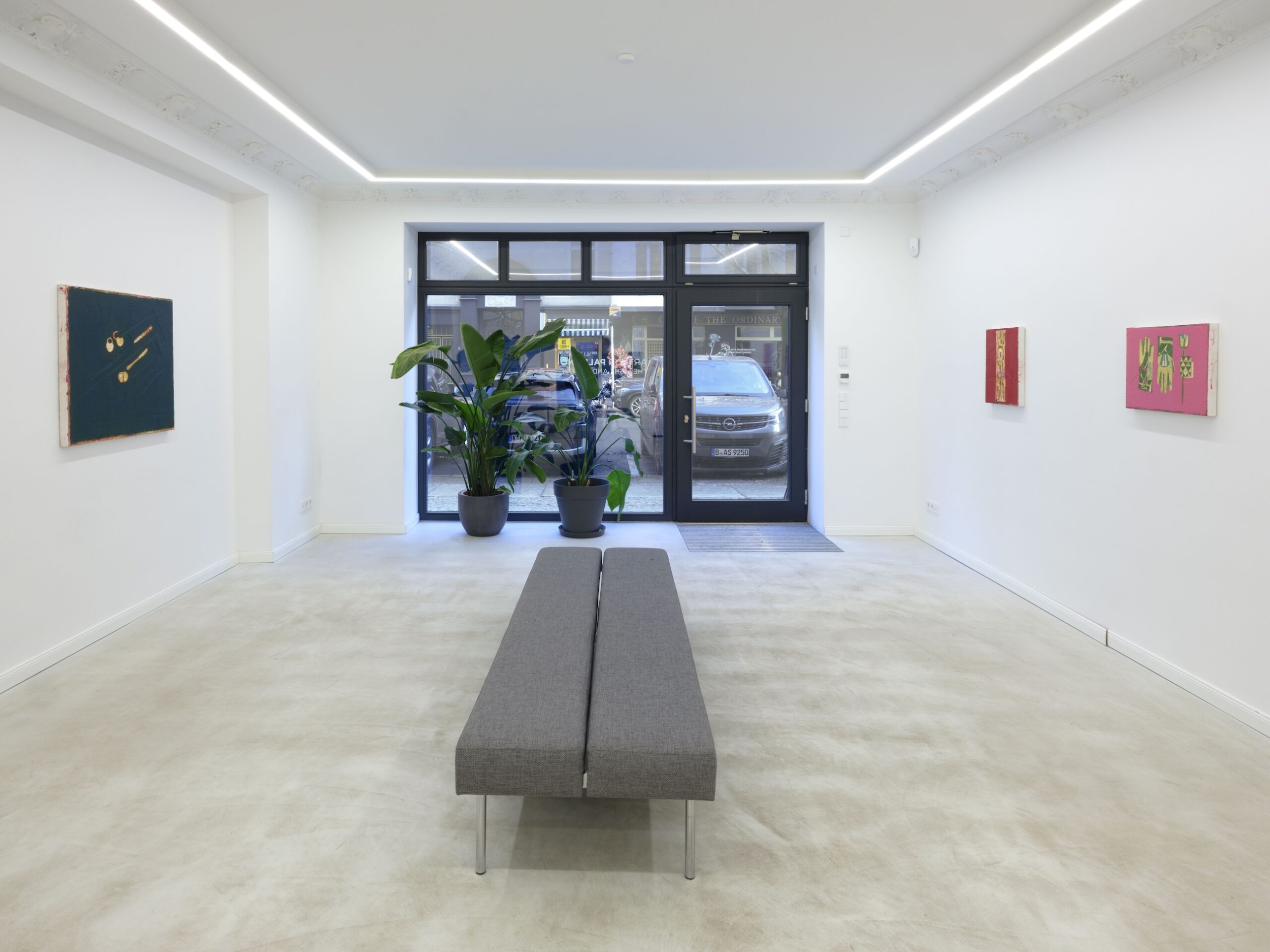
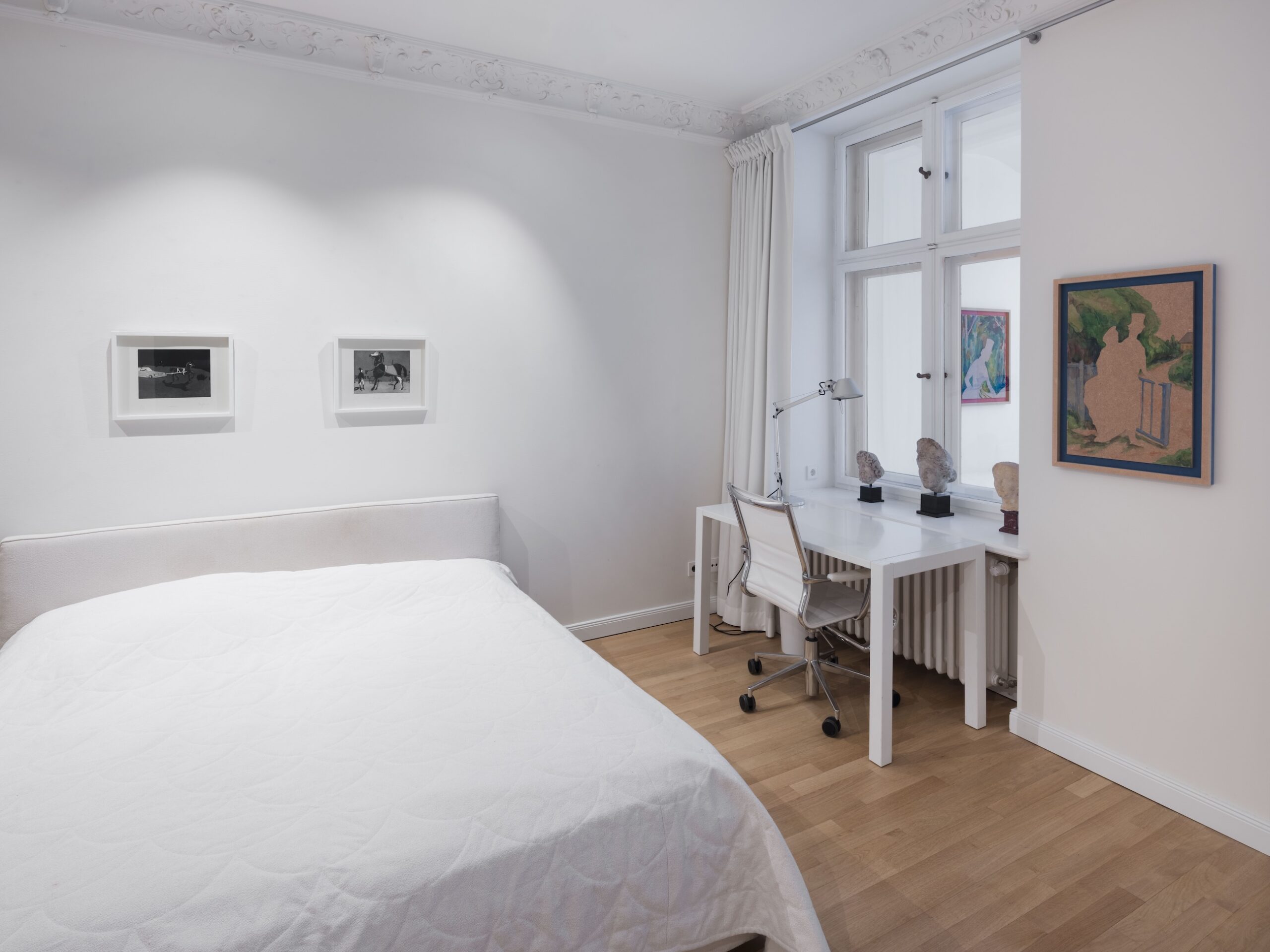
Visits and guided tours are possible every Saturday between 12 and 6 pm.The nature of time, of completion, and of commodification – which seeks to reduce the former, and strives towards the latter in order to more expeditiously arrive at one’s payday – are concerns common to both artistic production, and the horsey society depicted in Markus Jäntti’s works.
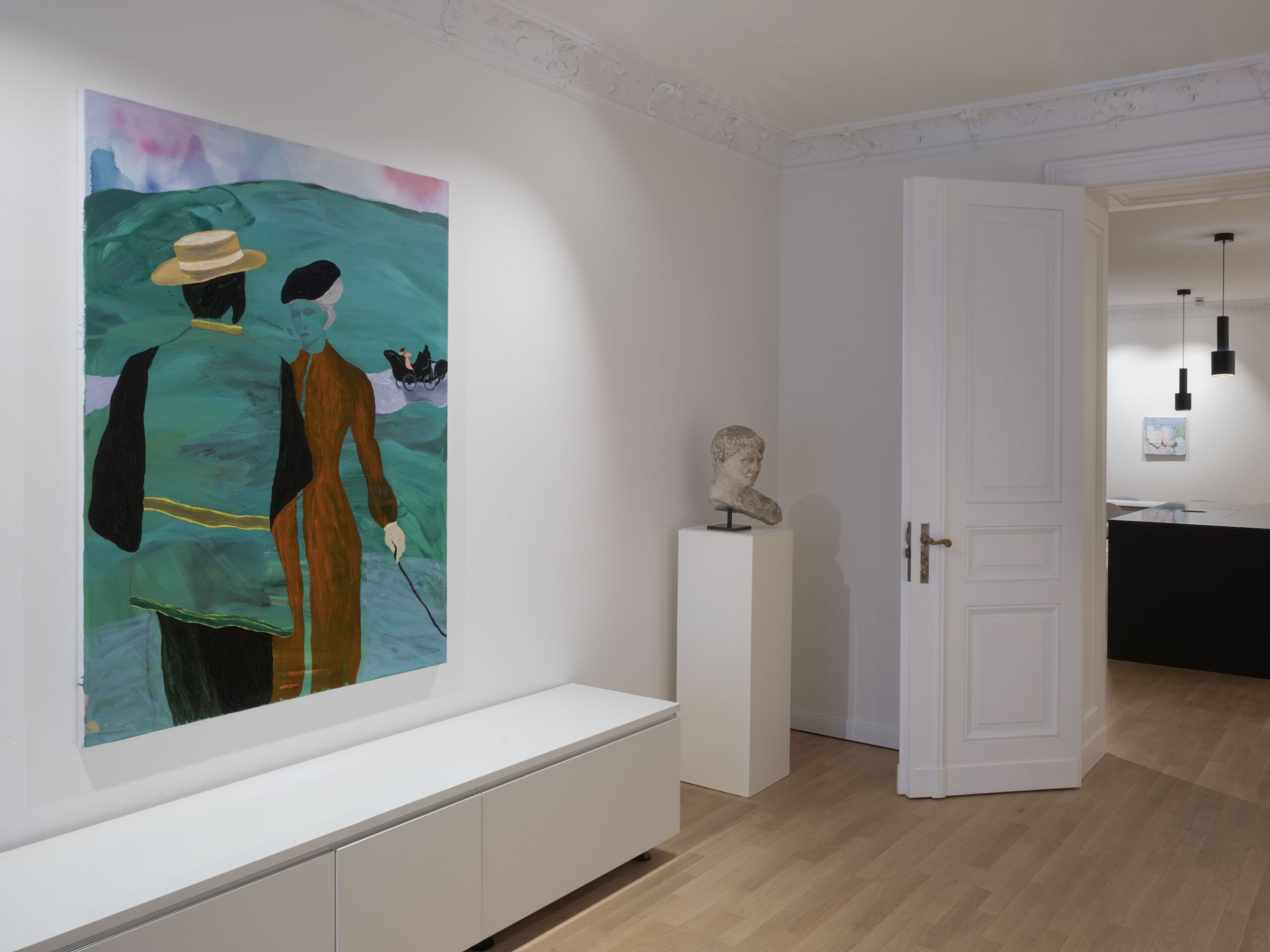
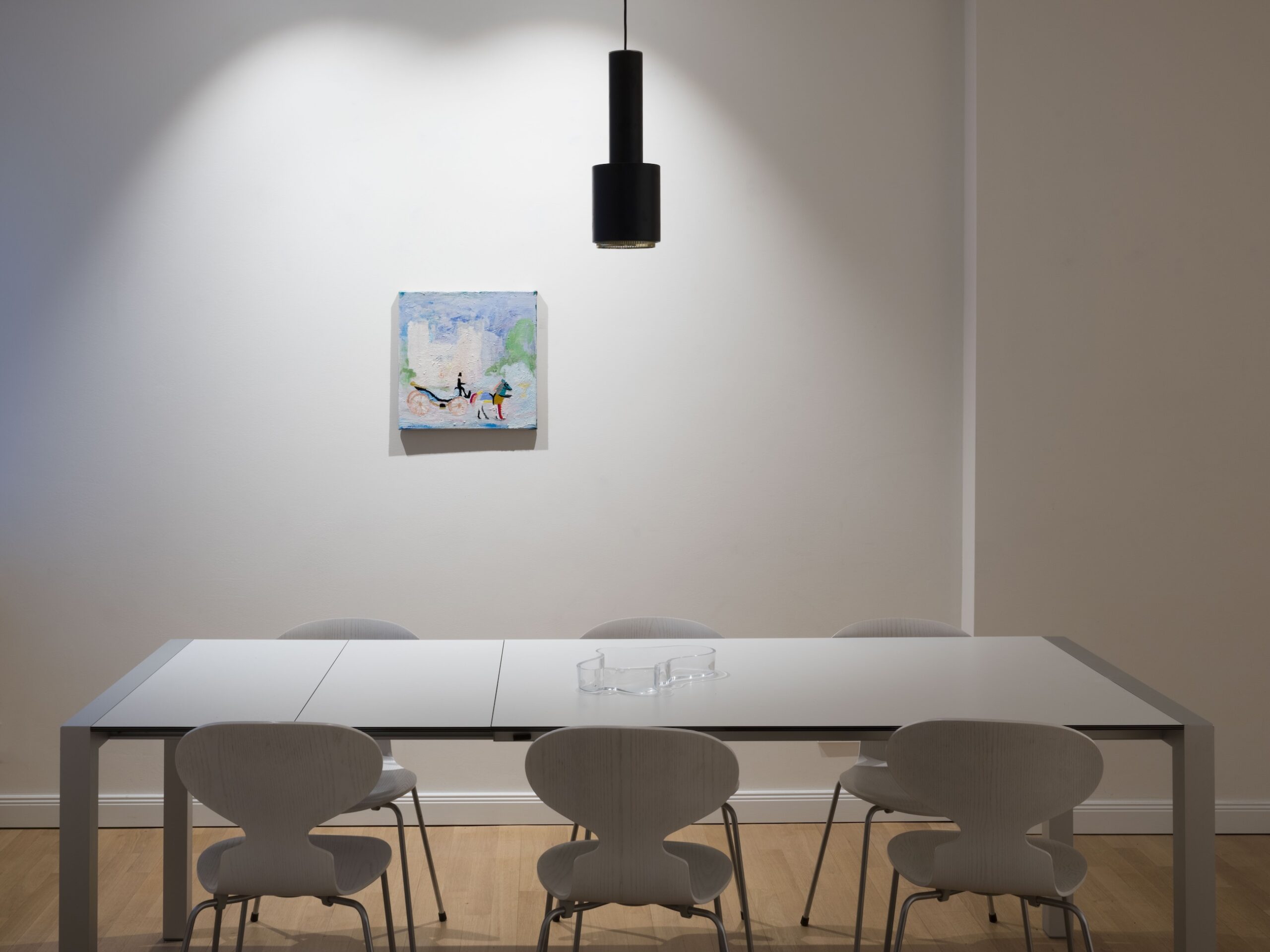
Engaging with the visual lexicon of luxury brands, Jäntti considers their temporal dimensions by drawing on John Berger’s observation that advertising never speaks to the here and now. The artist’s appropriation of luxury labels’ visual codes and commercial idioms engages precisely this temporal slippage. Companies from car to clothing capitalise, via their communications, on the nostalgic yearning for a bygone belle epoque which perhaps only ever existed in these behemoth brands’ endemic visual presentations.
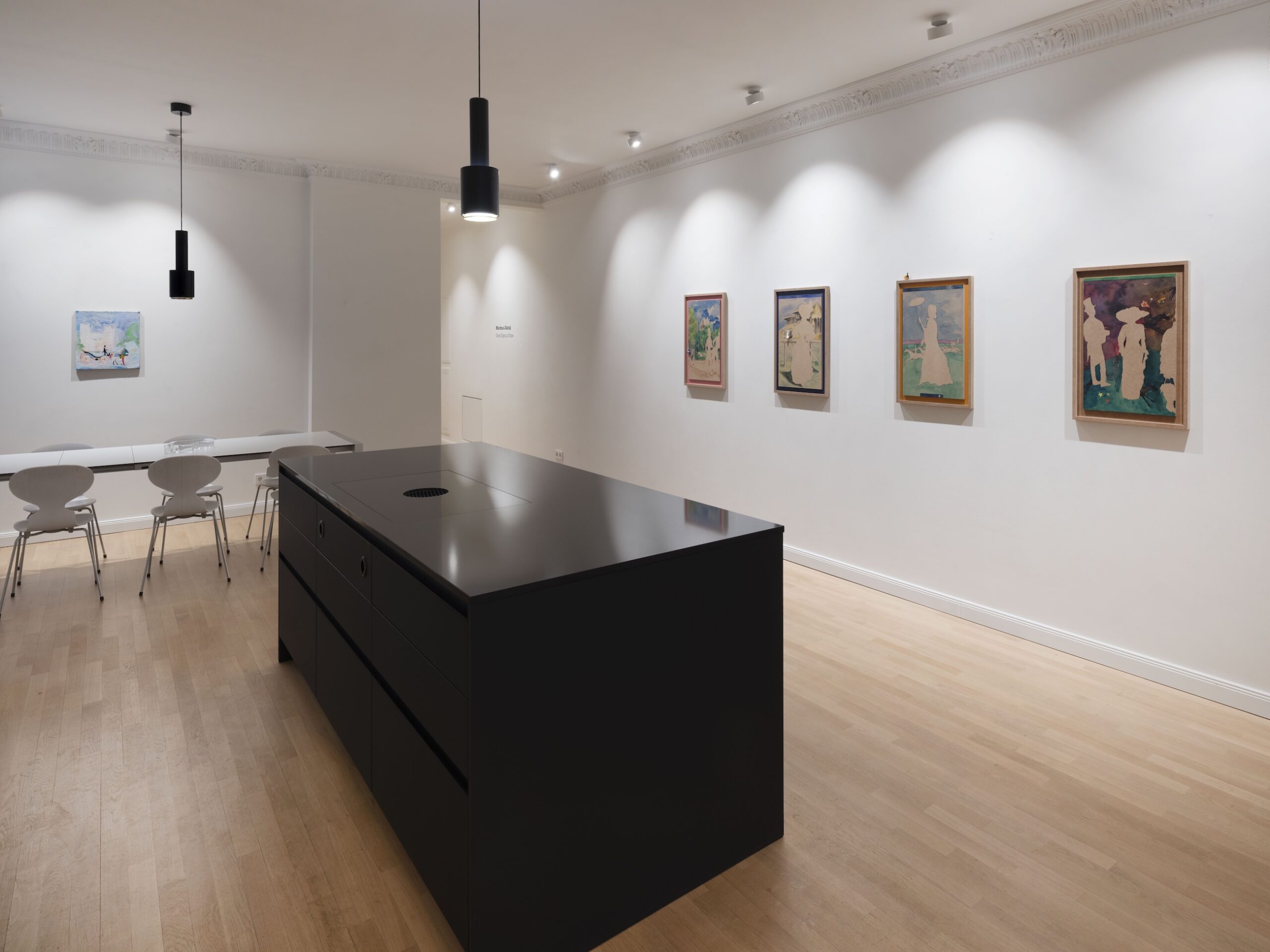
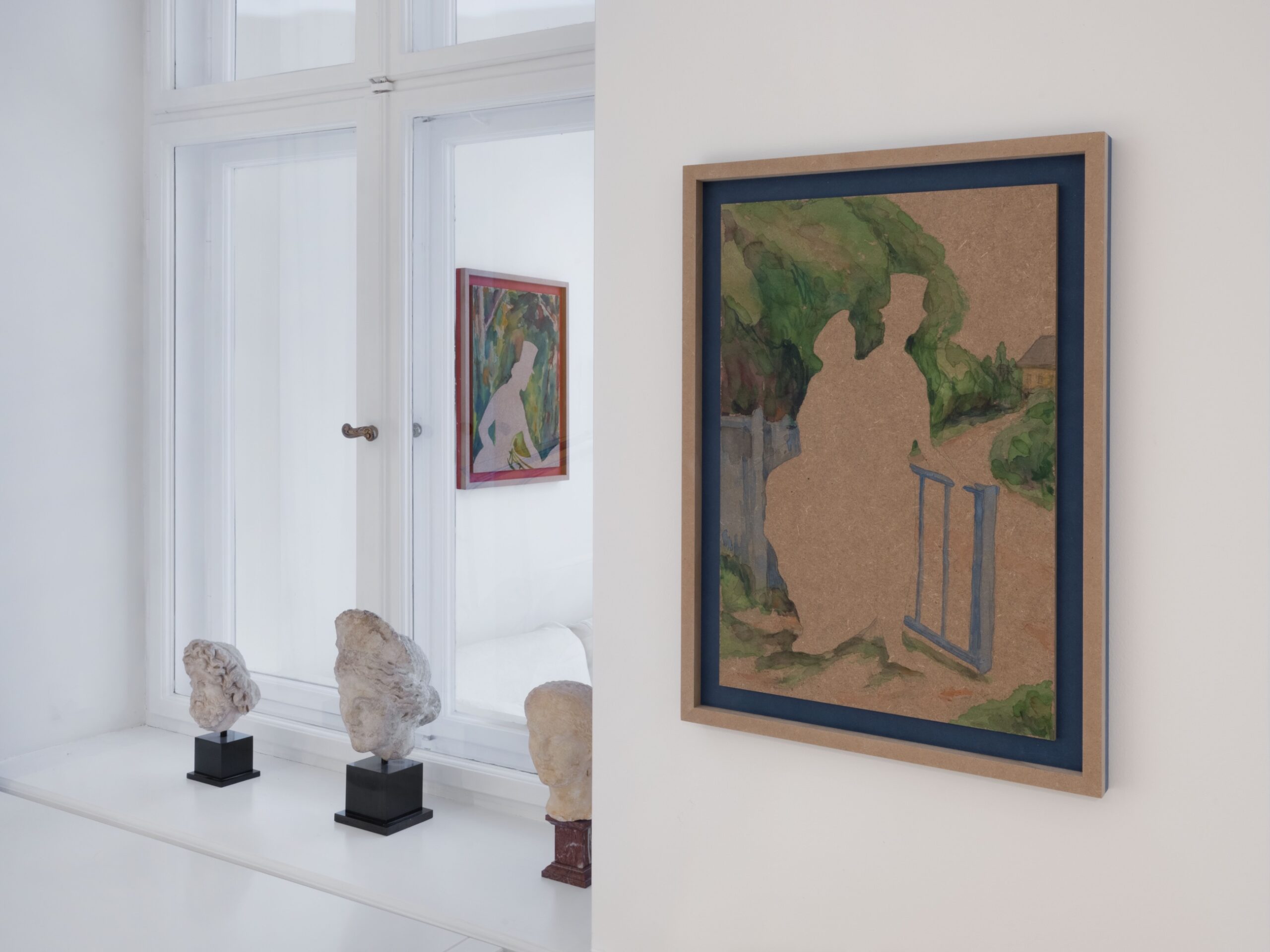
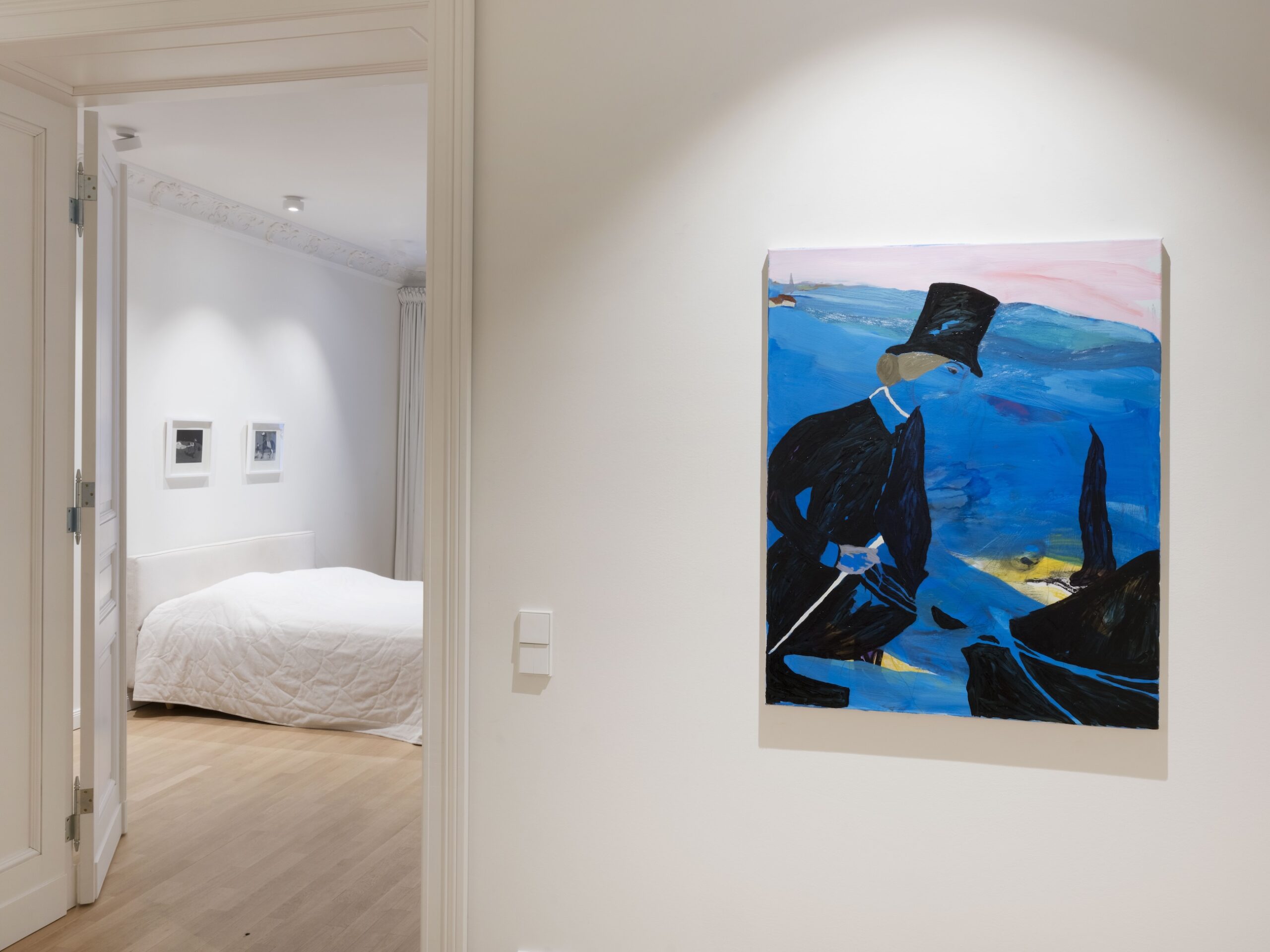
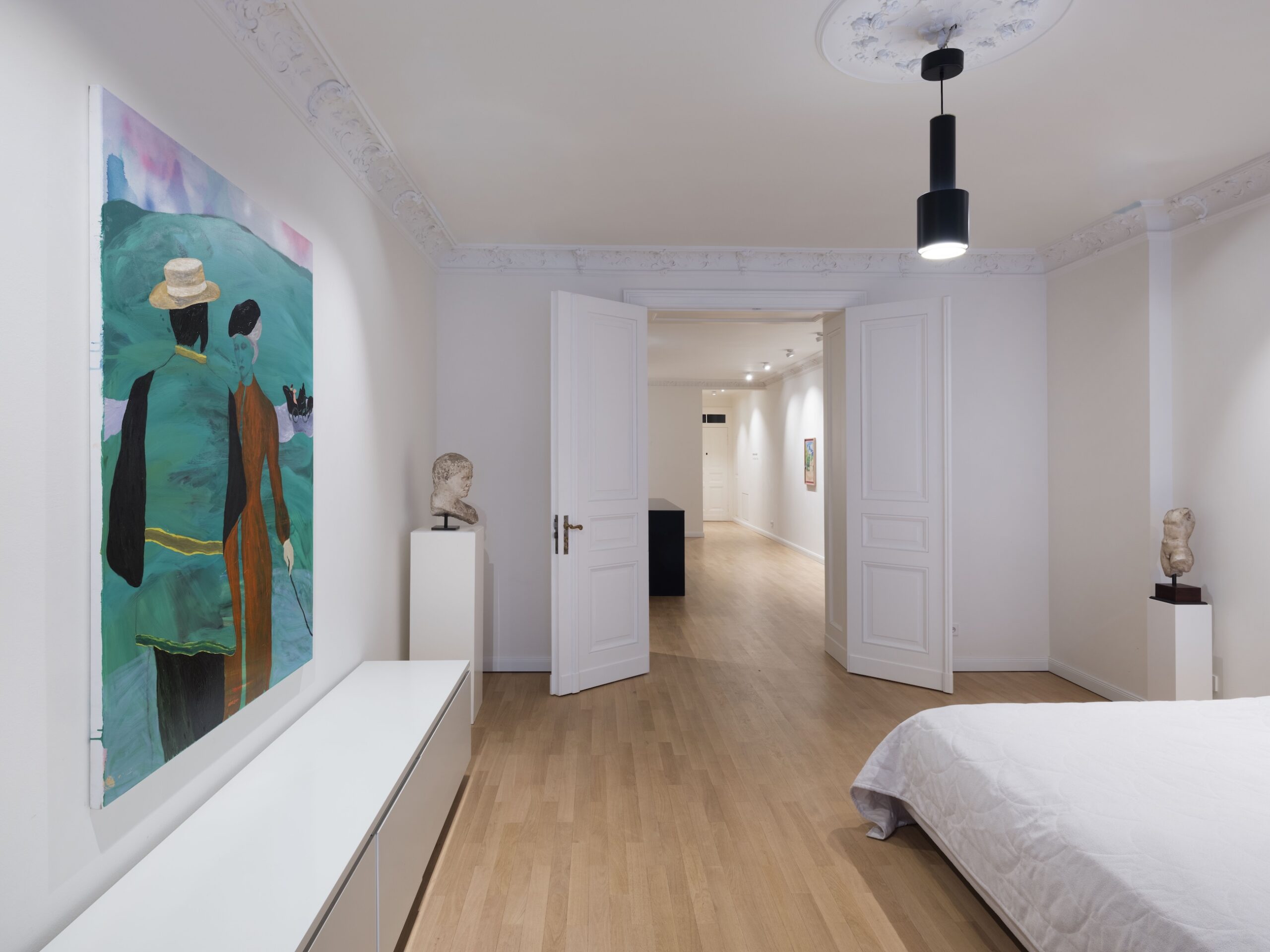
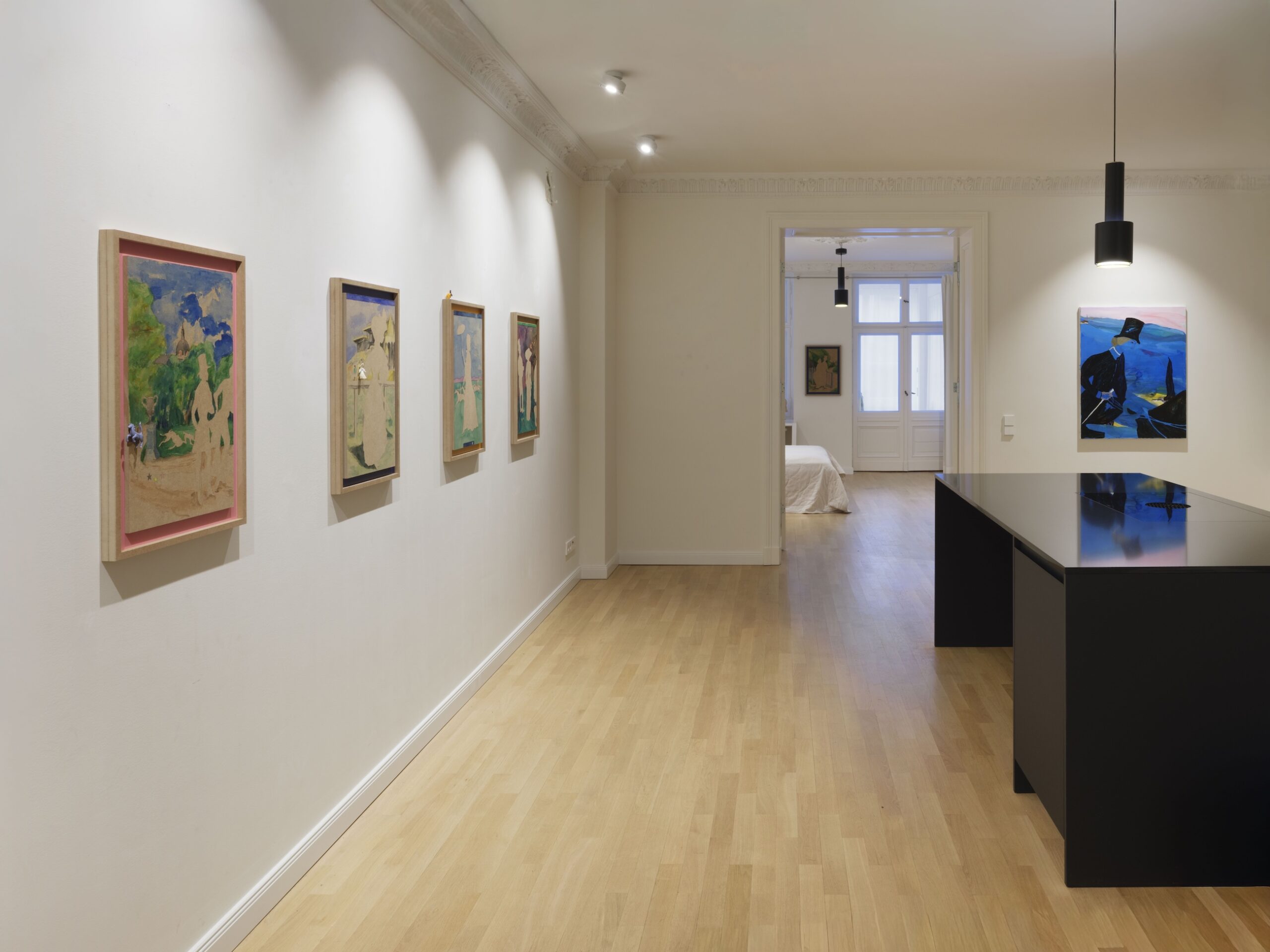
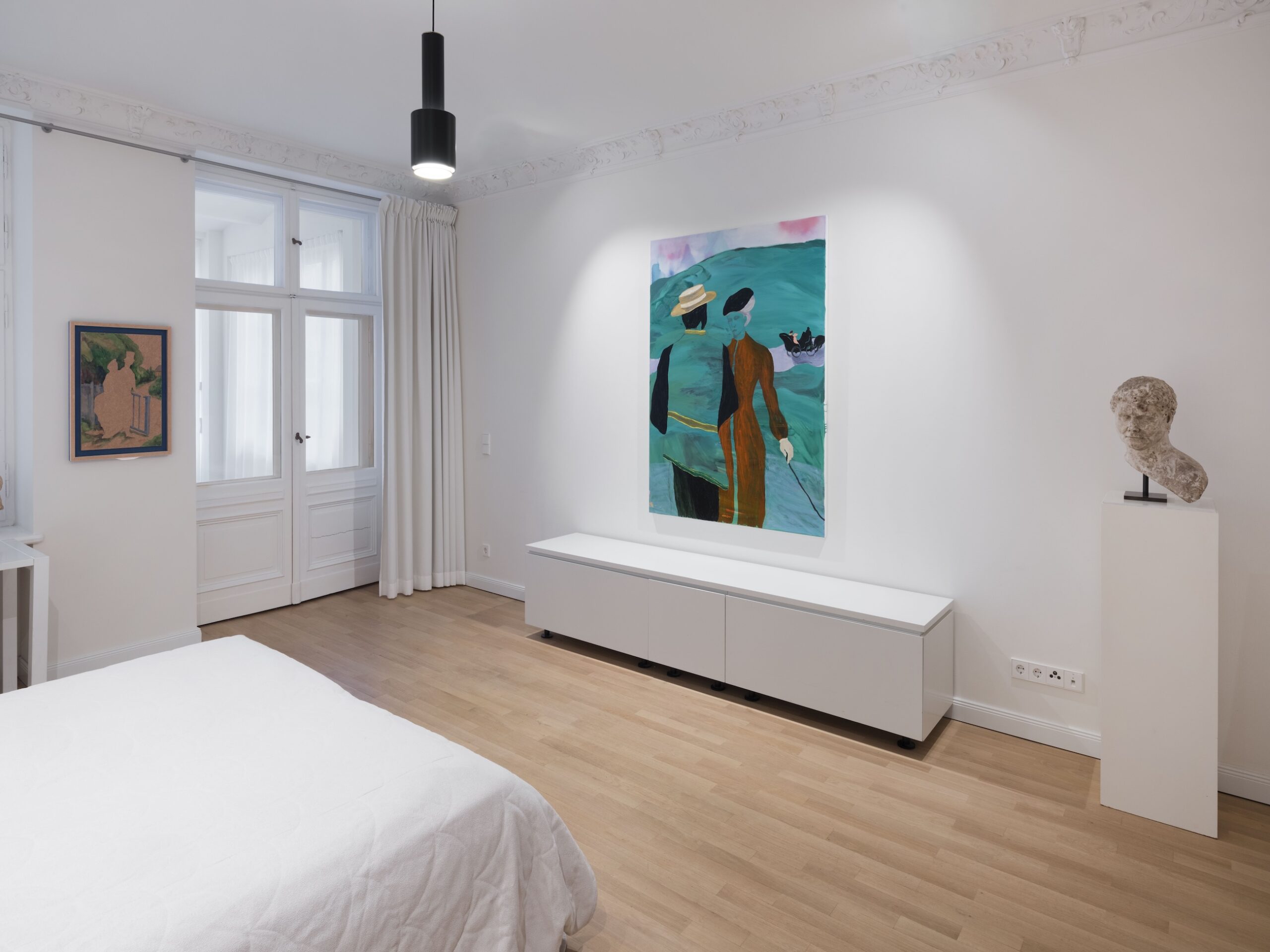
This Bergerian “non-present” is a bucolic and beautiful realm, realised by Jäntti in oil, watercolour, and pencil. In Once Upon a Time it is traced on the earthy, absorbent surface of MDF. Despite this substance’s organic appearance it is, ironically, toxic if inhaled – if advertising has taught us nothing else, looks can be deceiving! The world of these paintings is visually beguiling in a way that invites continued, lotus-eating contemplation. There is, too, a faint whiff of sexuality beneath the hay and horse manure, reminiscent of that maxim of the advertising world which presents itself in products of all kinds: sex sells.
This is the kind of spectation that art historian Harmon Siegel in his essay ‘“Avant- Garde” means racing past the finish line’ (2025) distinguishes as “looking” rather than “watching”. In a horse race, which one “watches”, the finish line is clear. In both producing and “looking” at art, the end point is more ambiguous. Jäntti delights in averting completion; his aquarel lines having been liberated from his brush, they continue to flow wetly across the surface. In an instrumentalisation of horror vacui central subjects are left as silhouettes, inviting extended daydreaming about their contents. Luminescent pigments that advance towards the eye are placed in the background, while the foreground is often in muted mattes – unsettling the eye and capturing it in slight disquiet.
Jäntti thus both engages in the fantasy, and reminds us of the irreality of these pastoral visions. Without cynically mocking the emotional attachments that accompany consumption, the artist hints at how those attachments are manufactured, stylised, and sold back to us. Delicately (un)setting a mutable, fluid scene, Jäntti reminds the viewer of the discomfort of these inescapable bargains. Full of empty space and pigment that soaks in small, untameable fringes through their textured surfaces, his paintings’ temporality, figure, and perspective are as edge- blurred as the equine participants in the Prix de l’Arc de Triomphe or Kentucky Derby as they rush by.
Markus Jäntti’s work spans painting, print, and glass sculpture to examine outsiderness, visual excess, and the intersections of high and popular culture through motifs of luxury and equestrianism. His first solo exhibition with Gallery Halmetoja in Helsinki will take place in August 2026, preceded by a two-part solo exhibition at Finlandsinstitutet and Grafiska Sällskapet in Stockholm in April 2026, alongside a three-year residency stipend at the Pro Artibus Foundation in Finland beginning in August 2026.
Ella Krivanek