ARTHUR PALHANO THE LIGHT AND THE EYE
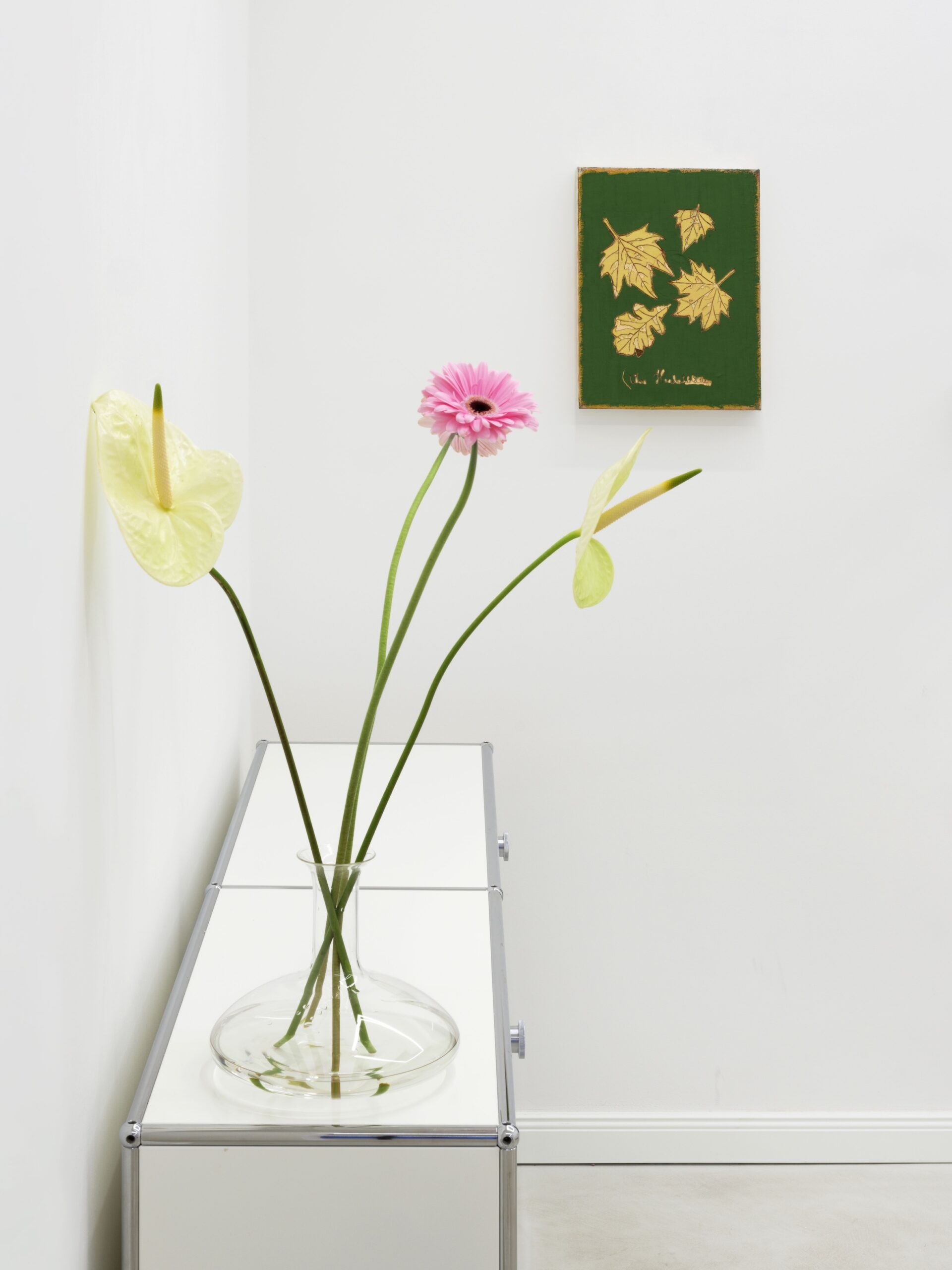
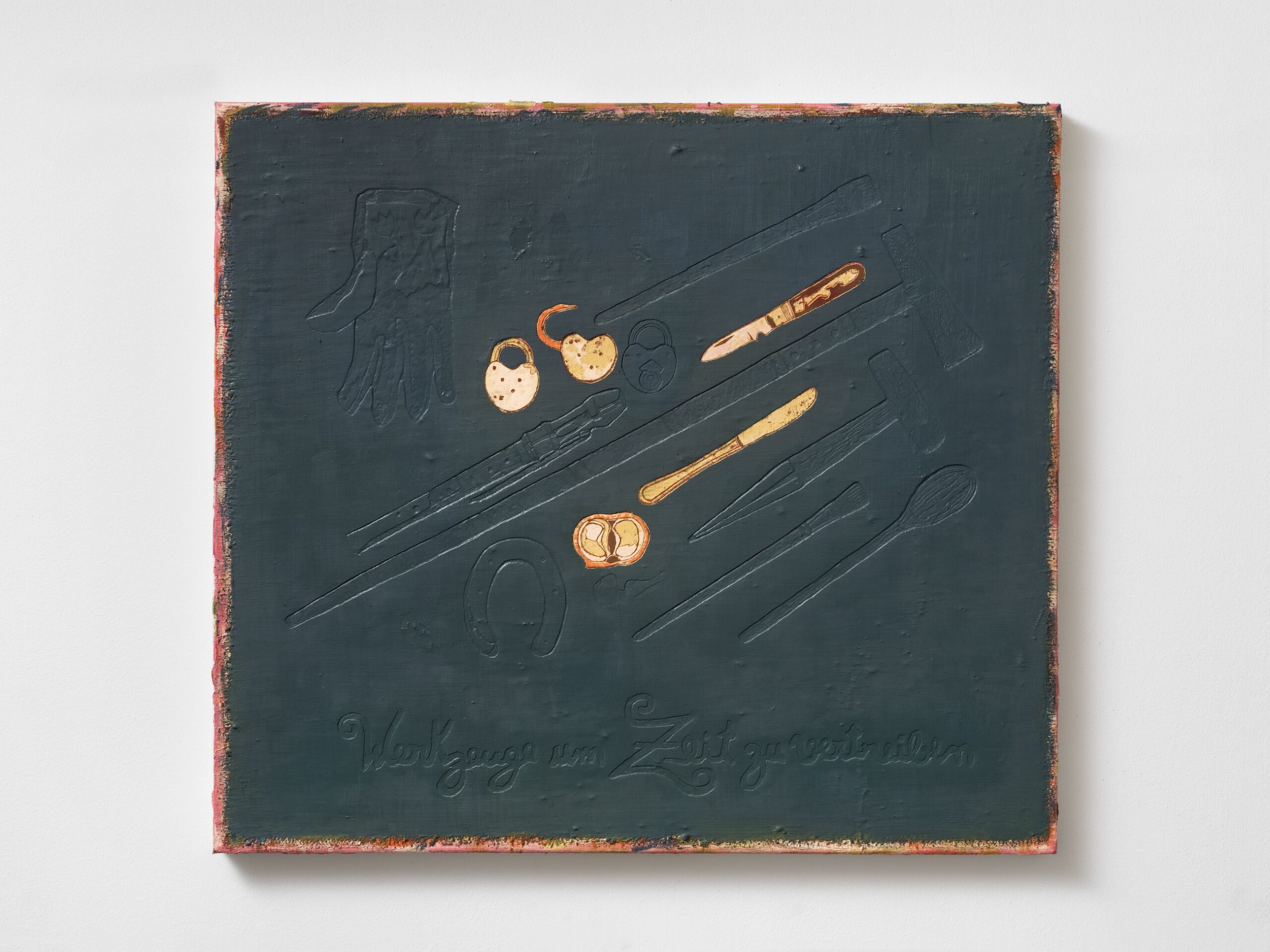
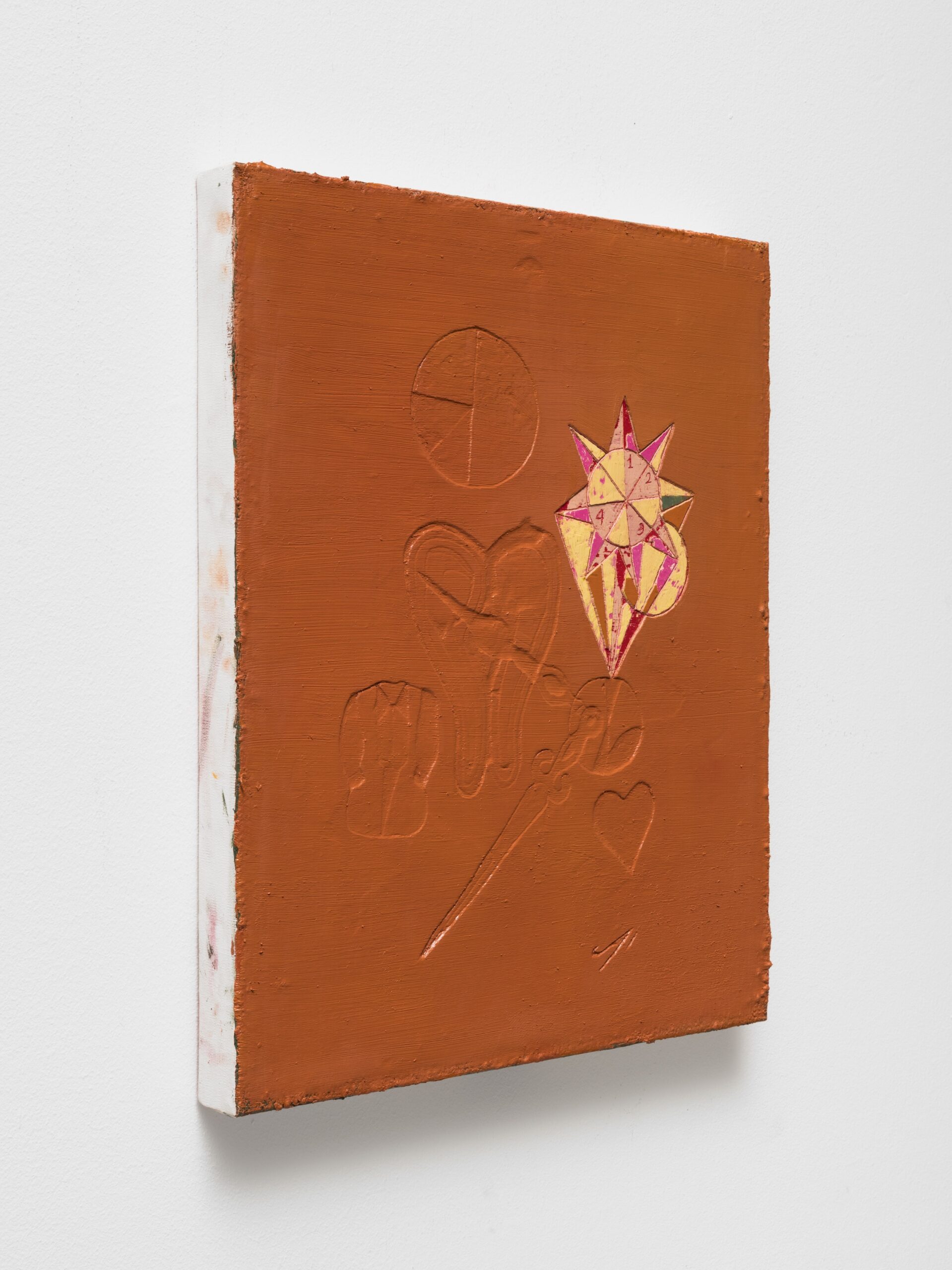
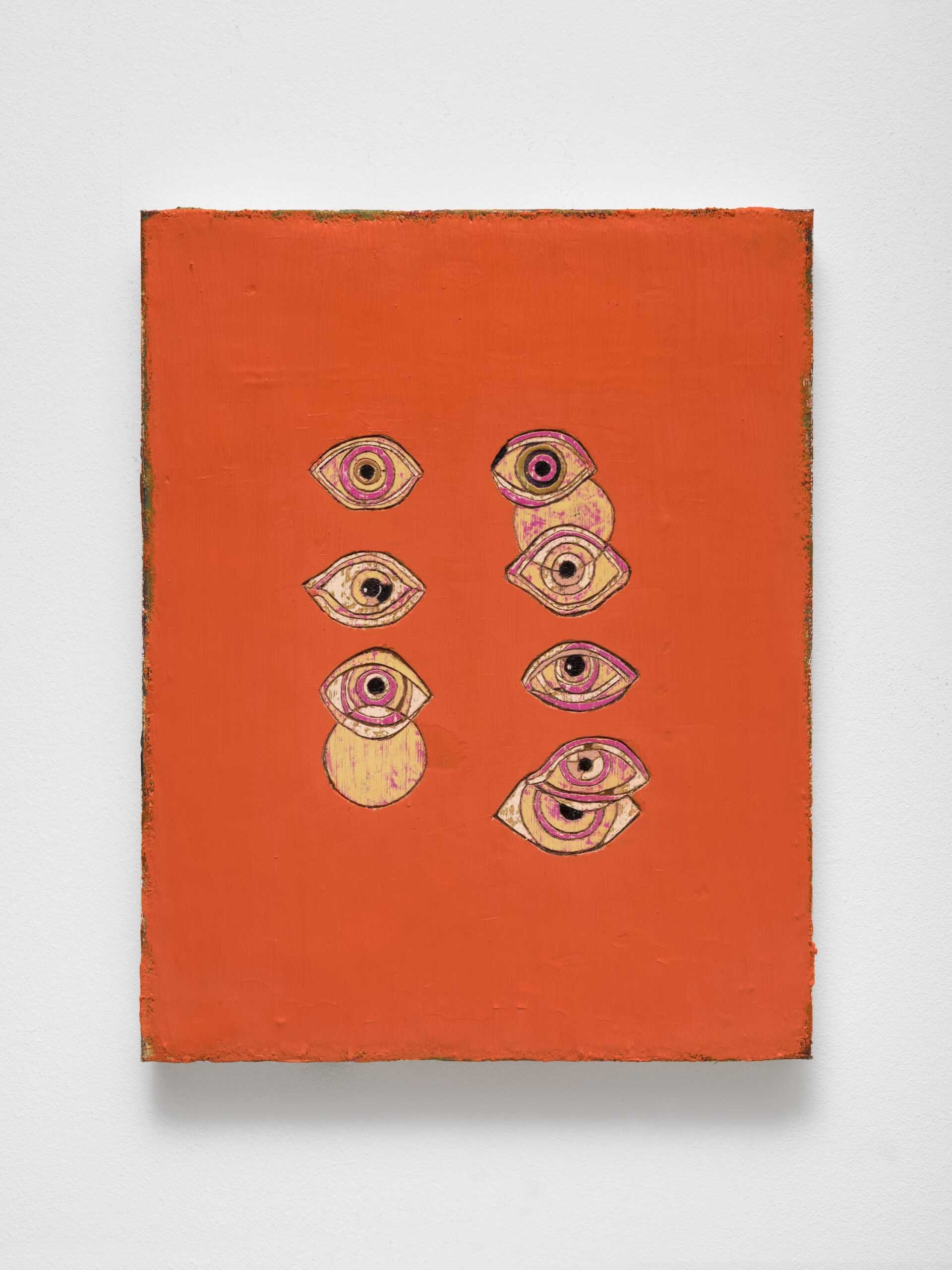




16 January 2026 – 07 February 2026
Visits and guided tours are possible every Saturday between 12 and 6 pm.The study of light unfolds into two fundamental domains: geometric optics, which describes the path of rays, and physical optics, which investigates their nature and material properties. Perception is only possible because light is bound to matter. Seeing thus emerges as a mediated process: from the origin of the light source, through its reflection on surfaces, to its reception by the eye, it is within this network of relations that what we call the visible takes shape.
Within the tradition of painting, the invention of perspective became intertwined with the representation of light and shadow, which shaped the volume of things on the picture plane. The sun itself largely remained a symbolic abstraction, its rays suggested through simplified graphic means. Only with Impressionism did the perception of light become a central concern of painting. Monet, for instance, condensed fleeting luminous phenomena into short, vibrating brushstrokes that fixed the moment of seeing within the image.
In Van Gogh’s work as well—particularly in his depictions of the field workers of Saint-Rémy painted around 1890—it becomes evident that visibility is inseparable from light. The resting bodies do not appear as objects illuminated by the sun, but as luminous manifestations in their own right. Here, light shapes not only the gaze, but also the subjects it renders visible.
During an approximately two-month residency at the Miettinen Collection in Berlin, Arthur Palhano experienced a fundamental shift in his everyday perception of light— one that left a lasting mark on his painting. Whereas in the Brazilian context the nearly vertical tropical sun produces sharp contrasts and intense colors, the light in Berlin appears softer and more oblique, giving rise to calmer, more diffused chromatic nuances.
Under these conditions, the objects Palhano investigates underwent a new painterly treatment—including those that, in Brazil, had been defined by assertive luminous schemes. Elements that once claimed presence now withdraw into dense layers of glazing, a process that runs counter to the artist’s habitual procedures. Bathed in darkness, what remains visible are disturbances: a kind of visual noise that opens onto another form of painterly knowledge and leaves the gaze without consequence.
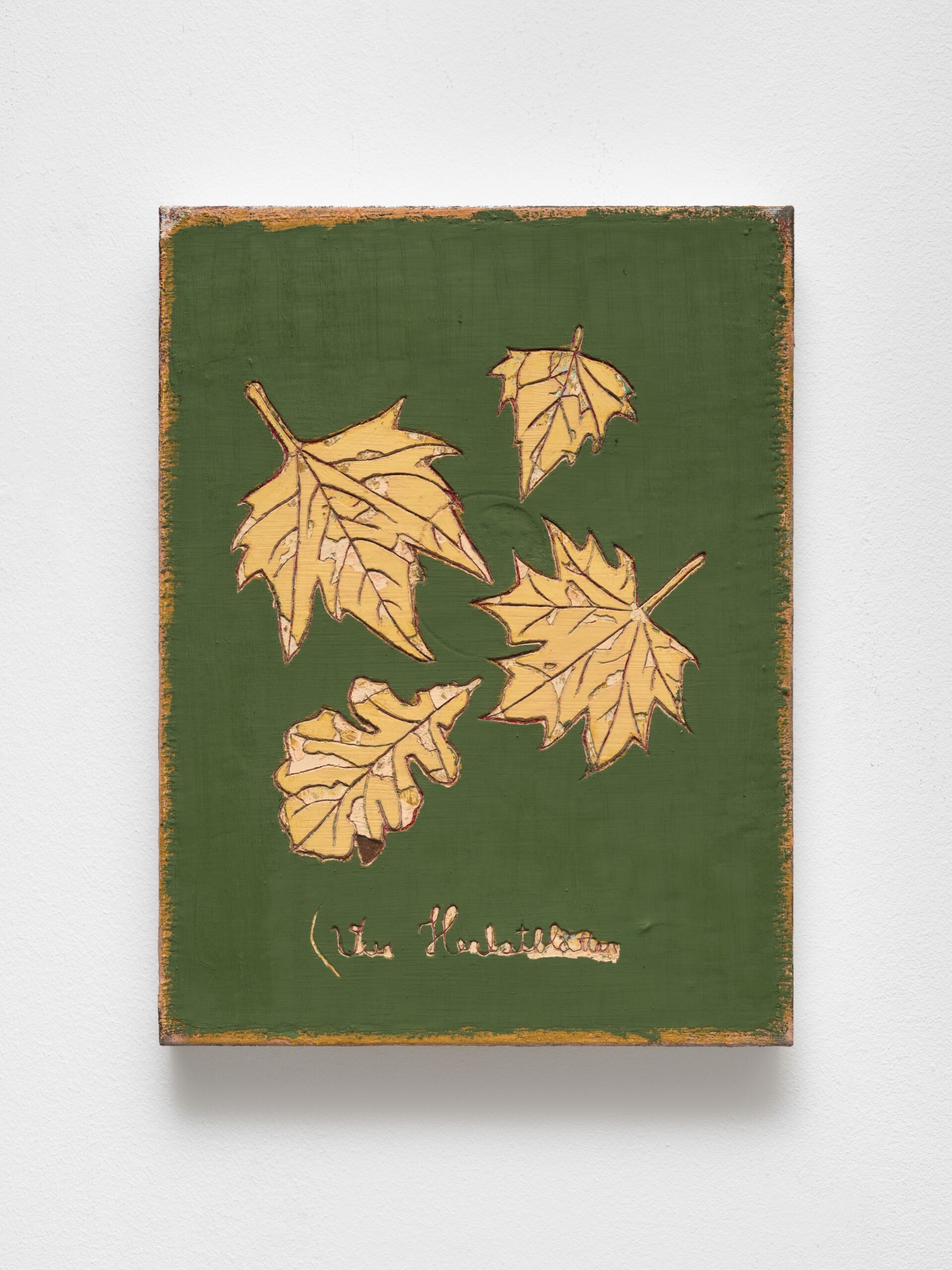
The proximity of the studio wall to a window led Palhano to observe those luminous caresses through which what is concealed on the surface of the painting reveals itself. In the tension between uncovering through light and concealing through matter, his work addresses broader questions concerning the poetic intention of a pictorial motif. Materiality here is not understood as technical virtuosity, but as the bearer of aesthetic decisions through which Palhano constructs his own complex system.
In his current work, light has penetrated painting more deeply than ever before. His attention to luminous impressions is also an attempt to grasp the mutability of the familiar—for every object becomes something else under a different light. What is fleeting is thus held in place, and the accidental appearance of light is preserved, until the images themselves become what they seek to reveal.
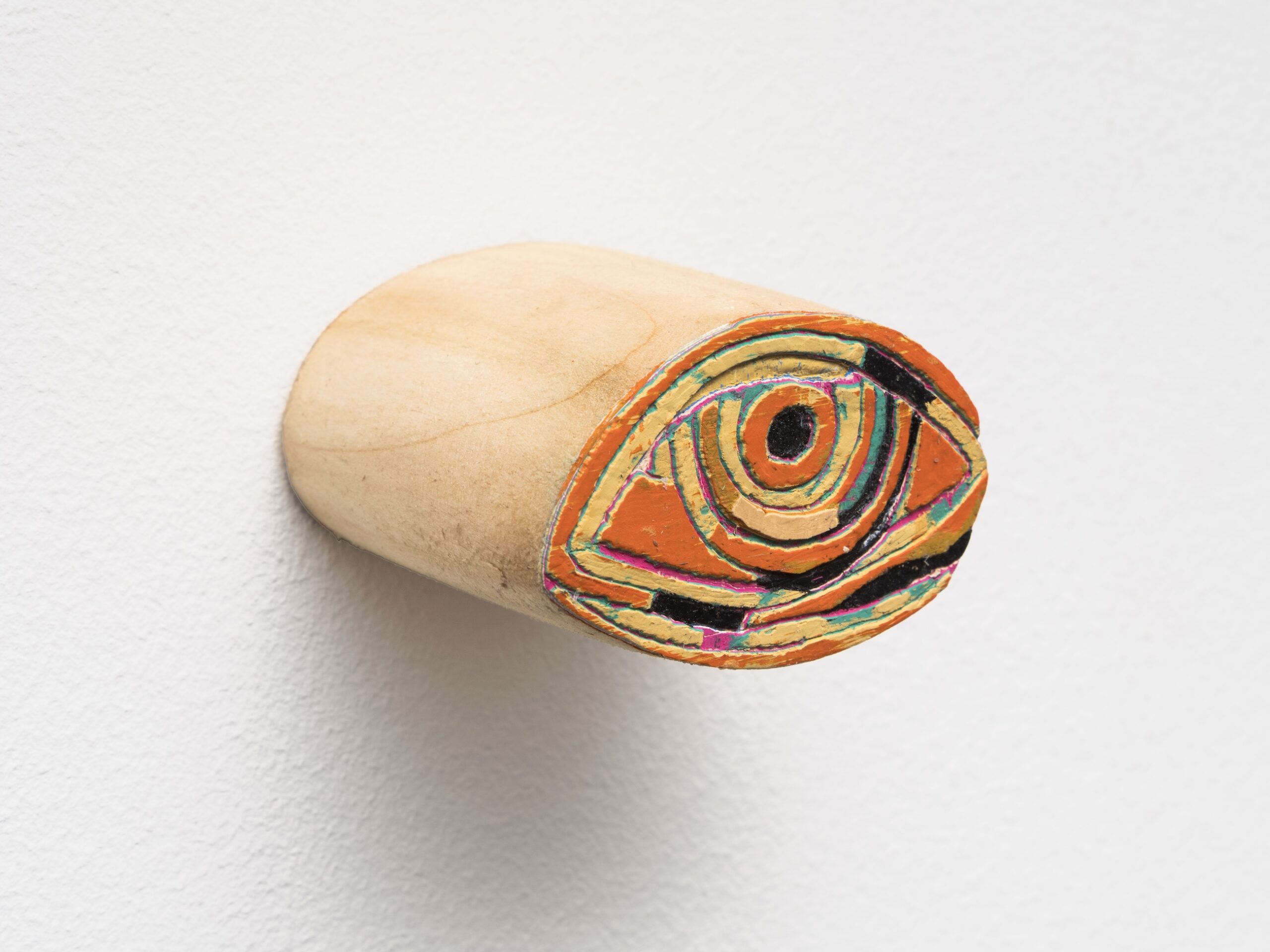
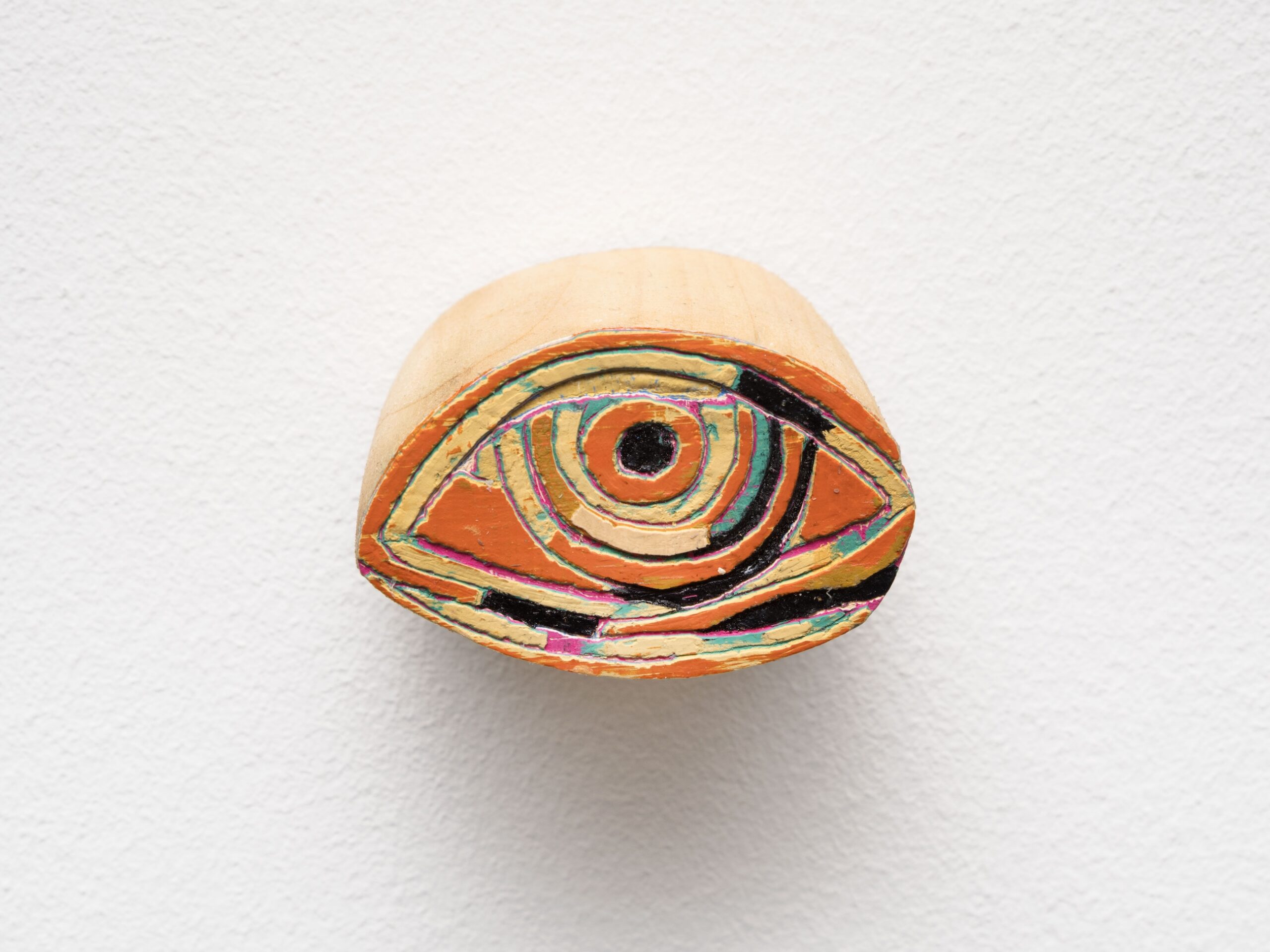
This luminous force, now emerging as a pictorial motif, unfolds through fields of color that rest upon the material density of the paint and persist in the depth of the image. Light penetrates these layers, revealing the gifts of a sun that lends its radiance so that the moon may draw the forms of mystery out of shadow. The eye, positioned before these waves of light, is called upon to observe: in its desire to become part of the image, it discovers itself as such and returns the gaze. Light appears here as an embodied presence—and the eye longs to see itself.
December 16, 2025
Yago Toscano